The integration of IoT in agriculture presents a transformative approach to traditional farming practices. By leveraging real-time data collection, farmers can enhance crop monitoring and optimize resource management. Drones and sensors play a crucial role in this technological shift, providing critical insights into soil conditions and plant health. However, as advancements occur, challenges such as data security and connectivity issues in rural areas remain pivotal concerns. What implications do these factors have for the future of smart farming?
How IoT Enhances Crop Monitoring and Management
As agricultural practices evolve, the integration of Internet of Things (IoT) technology emerges as a pivotal advancement in crop monitoring and management.
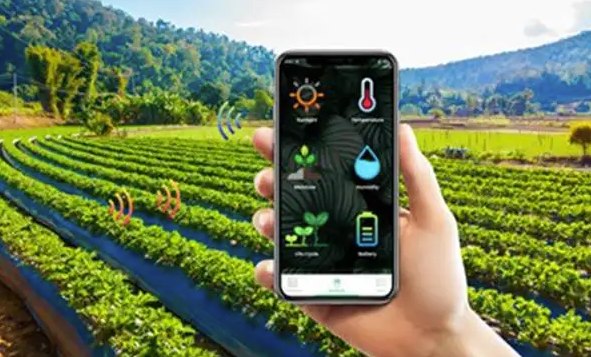
IoT facilitates real-time data collection on crop health and soil moisture, enabling farmers to make informed decisions. This innovation optimizes resource allocation, enhances yield, and promotes sustainable farming practices, ultimately granting farmers greater autonomy in managing their agricultural ecosystems.
The Role of Drones and Sensors in Smart Farming
Drones and sensors play a transformative role in the realm of smart farming, revolutionizing traditional agricultural practices through advanced data collection and analysis.
The integration of drone technology with ground-based sensors enables real-time monitoring of crop health and environmental conditions. This synergy enhances precision agriculture, optimizing resource allocation and reducing waste, ultimately empowering farmers to achieve greater autonomy and efficiency in their operations.
Benefits of Data Analytics for Sustainable Agriculture
Data analytics emerges as a critical catalyst for advancing sustainable agriculture, offering insights that drive efficiency and resource conservation.
By leveraging data, precision farming techniques optimize input usage, reducing waste and maximizing yields.
This innovation not only enhances productivity but also mitigates the environmental impact of agricultural practices, fostering a harmonious balance between food production and ecological preservation, ultimately supporting a more sustainable future.
See also: theinstanavigationcom
Challenges and Future Trends in IoT Agriculture
While the integration of IoT technology in agriculture presents numerous opportunities, it also introduces a range of challenges that must be addressed to ensure its successful adoption.
Data security remains a critical concern, as the vast amount of sensitive information transmitted can be vulnerable to breaches.
Additionally, connectivity issues in rural areas can hinder the effectiveness of IoT systems, limiting their potential impact on farming practices.
Conclusion
In conclusion, the integration of IoT technologies in agriculture is a game-changer, transforming how farmers monitor and manage their crops. By harnessing the power of drones, sensors, and data analytics, agricultural practices can evolve to meet the demands of sustainability and efficiency. However, as the industry navigates challenges such as data security and rural connectivity, it is clear that the sky’s the limit for innovation in smart farming, paving the way for a more resilient future.